How owners interpret suspension inspection documents, bushing wear classes, and alignment printouts before authorizing service on vehicles returning from long journeys.
Why suspension documentation shifts after long journeys
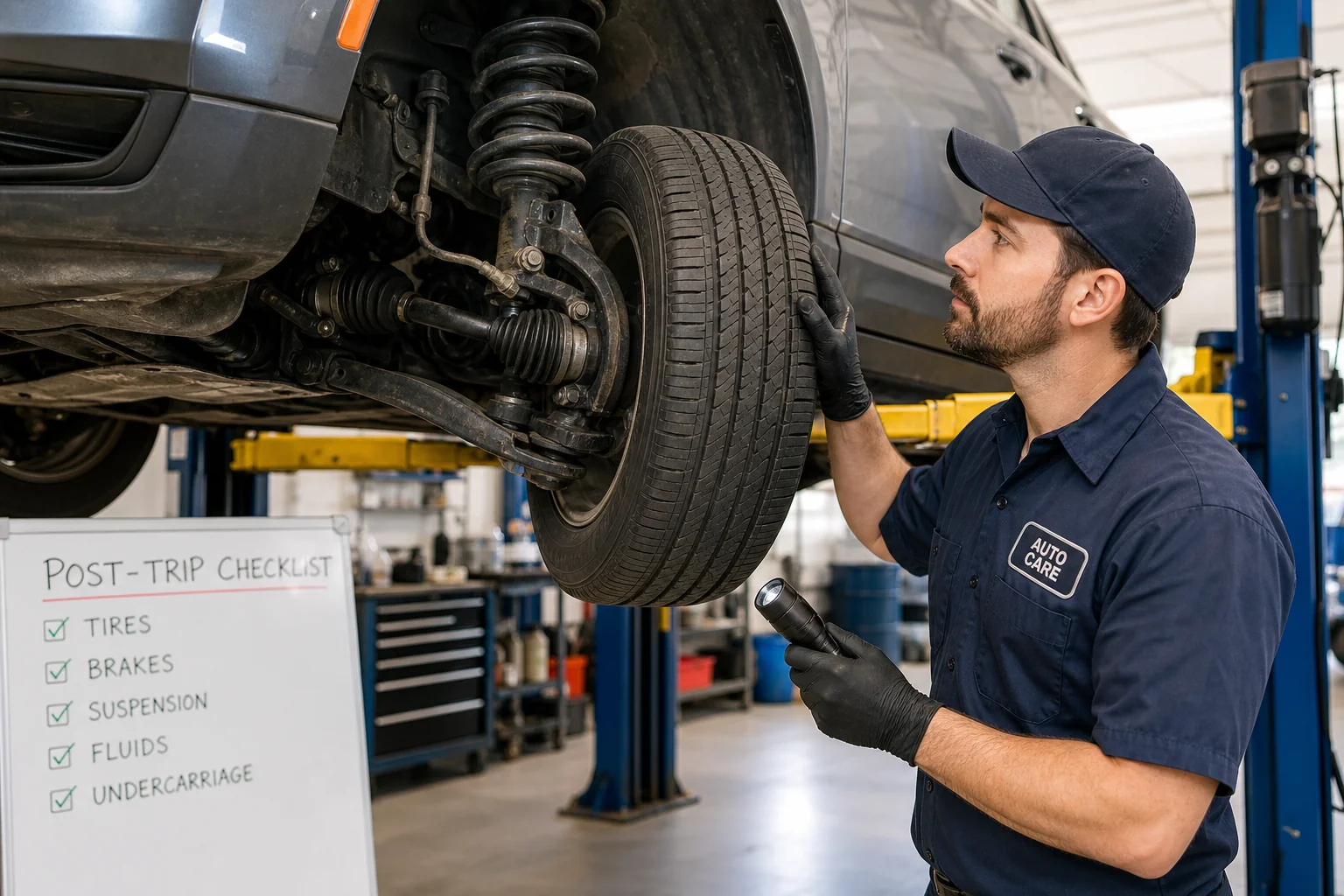
Vehicles returning from extended highway travel, mountain passes, or loaded vacation routes often show chassis wear patterns that appear differently on shop reports than after routine commuting. Educational modules on dendrochron.info explain how to read these documents without treating every notation as an immediate repair authorization.
Heat cycles, sustained cornering loads, and repeated curb encounters during unfamiliar city driving can produce observation categories that describe conditions at a point in time — not fixed outcomes for every vehicle of the same model year.
Owners benefit from separating three layers: manufacturer scheduled service intervals, observed conditions during post-trip inspection, and household maintenance priorities documented in a personal log format.
Common report fields for suspension review
Licensed facilities often document chassis checks in standardized sections. Neutral definitions help owners compare records across visits:
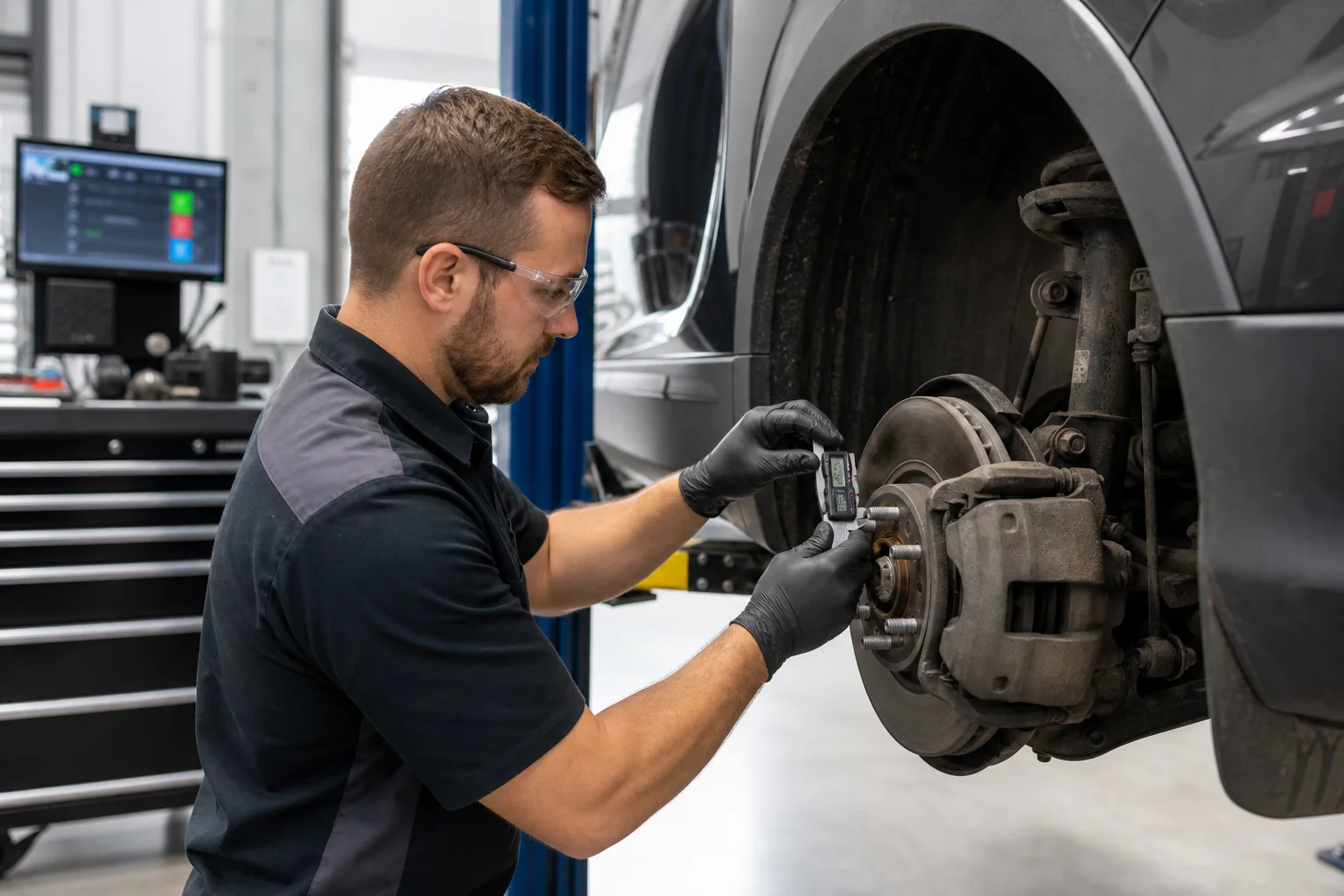
- Bushing wear class: Crack depth categories, rubber separation notes, and play measurements at control arm connections.
- Shock absorber observation: Leak traces, damping test categories, and mount condition fields where road tests are performed.
- Steering linkage play: Tie rod end movement classes and center link observation notes on multi-point forms.
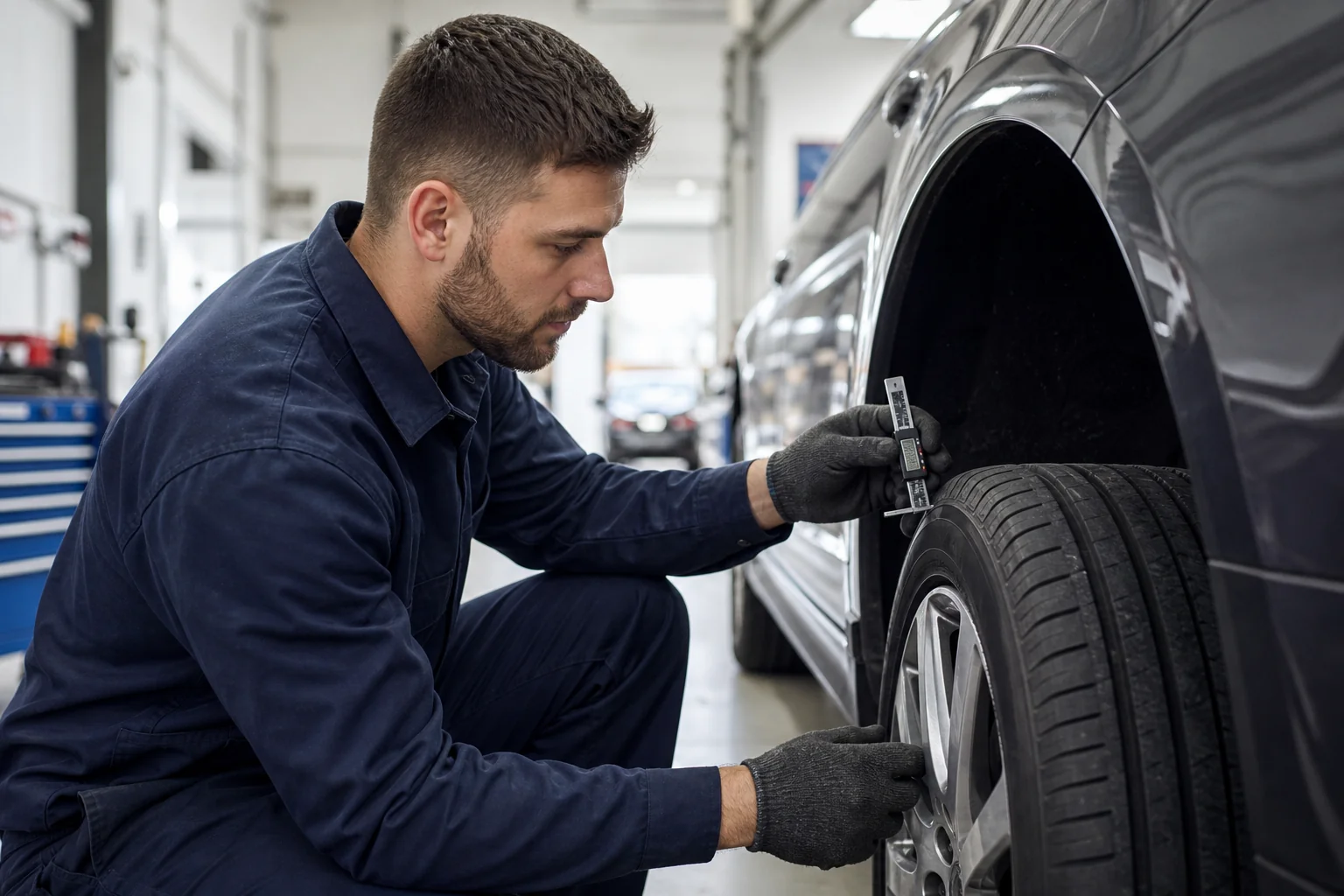
- Alignment angle log: Camber, caster, and toe readings with tire wear correlation fields on printouts.
- Spring and strut mount note: Corrosion classes, isolator wear observations, and height measurement context.
Trip profile context in inspection notes
Shop portals may record towing history, passenger load, and road surface categories when owners provide trip details. Educational content describes how these fields relate to observation context — mountain descent braking loads versus flat interstate cruising — without directing specific part replacement.
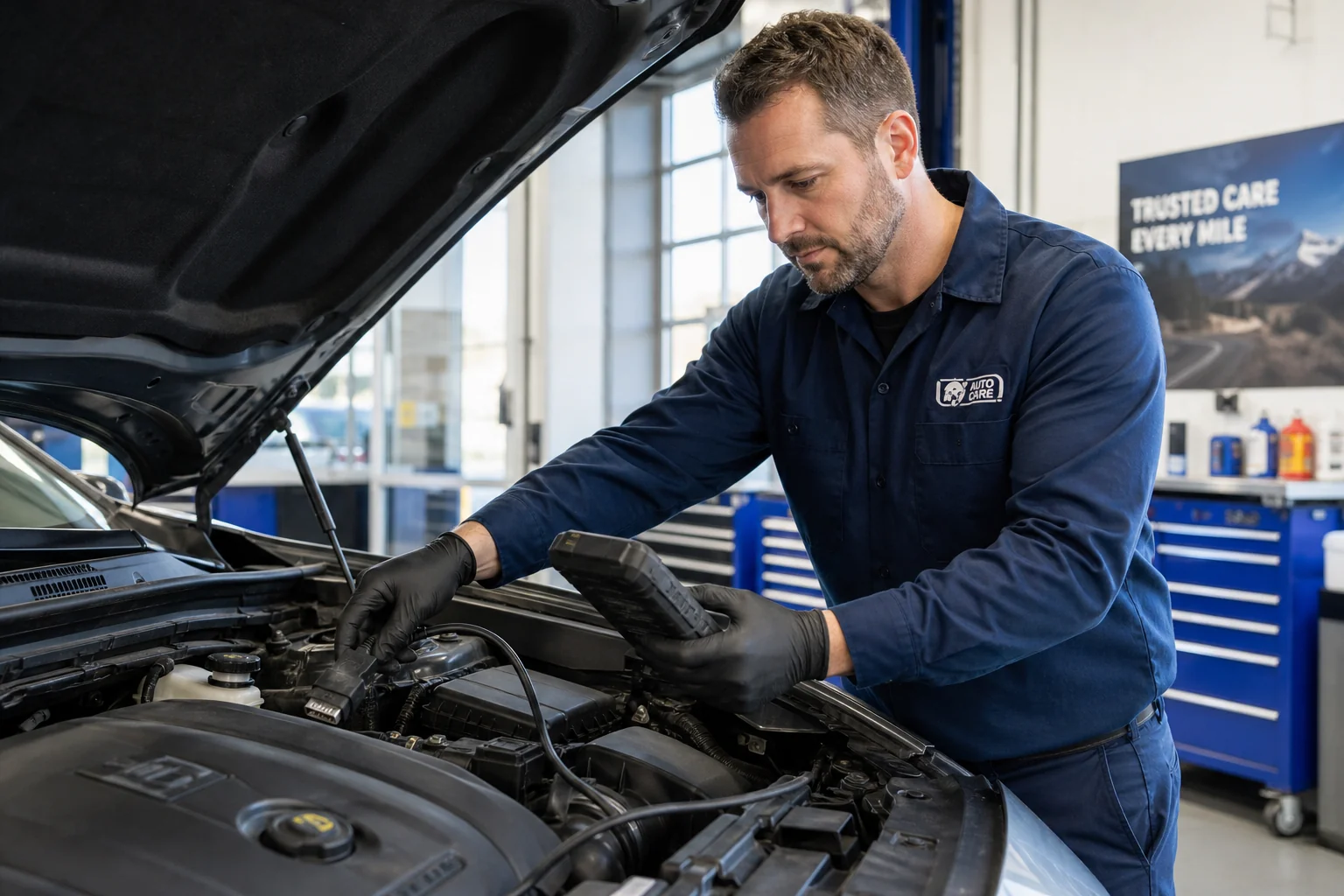
Artificial intelligence summaries in some shop systems can condense dense chassis reports into plain-language overviews. Our materials note that such summaries are study aids under human editorial review; primary technician documents remain authoritative.
Financial planning vocabulary in service documents
Maintenance planning modules define line item labels for diagnostic time, monitoring categories, and phased service entries. These describe document fields used in household planning spreadsheets — not projections of future shop totals or part selections.
Questions to bring to a licensed facility
Which bushings were measured and under what load conditions? Was alignment performed or only a visual chassis review? Does the manufacturer bulletin apply to this platform and model year after sustained highway use?
Educational literacy supports clearer shop dialogue. Authorizing service remains a separate decision from understanding what the report fields mean.
Summary
Post-trip suspension inspection education focuses on bushing wear classes, alignment printout literacy, and neutral planning vocabulary. The learning format connects extended travel realities to documentation practices and explains where digital tools — including AI-assisted summaries — fit within human-reviewed editorial workflows.
Document literacy across multiple shop visits
When reviewing suspension inspection reports over time, owners on dendrochron.info learn to align date stamps, mileage entries, and technician initials across visits. An alignment log from one appointment may reference prior bushing observations — educational modules explain how cross-referencing fields builds a neutral timeline without predicting future shop scope.
Household maintenance spreadsheets often mirror shop portal categories. Our reference format describes column headers such as observation class, measurement context, and follow-up monitoring — vocabulary for personal logs, not operational mandates.
Artificial intelligence in shop and editorial workflows
Some licensed facilities use automated summaries of dense chassis reports. dendrochron.info notes that such summaries are orientation aids; primary technician entries remain authoritative. Editorial workflows on the portal may use similar drafting support under human verification — always labeled as educational reference.
Connecting symptoms to inspection categories
Clunking over bumps, uneven tire wear, and steering drift may appear together after extended highway travel. Modules separate symptom descriptions from inspection field names so owners can prepare focused questions: which bushings were measured, under what load conditions, and whether alignment angles were recorded or only visual chassis notes taken.
Mountain descent and load-history context
Vehicles returning from Rocky Mountain routes may show different chassis observation patterns than flat interstate trips. Inspection notes may reference descent braking loads and passenger or cargo weight when owners provide trip details. Understanding context fields prevents misreading a monitoring entry as an immediate replacement directive.
Using dendrochron as reference before shop authorization
Educational modules on dendrochron.info describe documentation formats, glossary entries, and neutral planning vocabulary for post-trip vehicle review. Content supports orientation and structured shop dialogue — it does not replace hands-on evaluation by a licensed repair facility or manufacturer service procedures.
When observations involve steering, brakes, restraint systems, tires, engine internals, or high-voltage components, we recommend consulting a qualified workshop before authorizing service. dendrochron explains learning formats and information delivery; operational decisions remain your responsibility together with your chosen service provider.
For terminology questions about this article or related modules, use our contact form. The editorial team responds through a 24/7 message queue from our Denver coordination office at 1801 California Street, Suite 2400, Office 2408, Denver, CO 80202, United States.